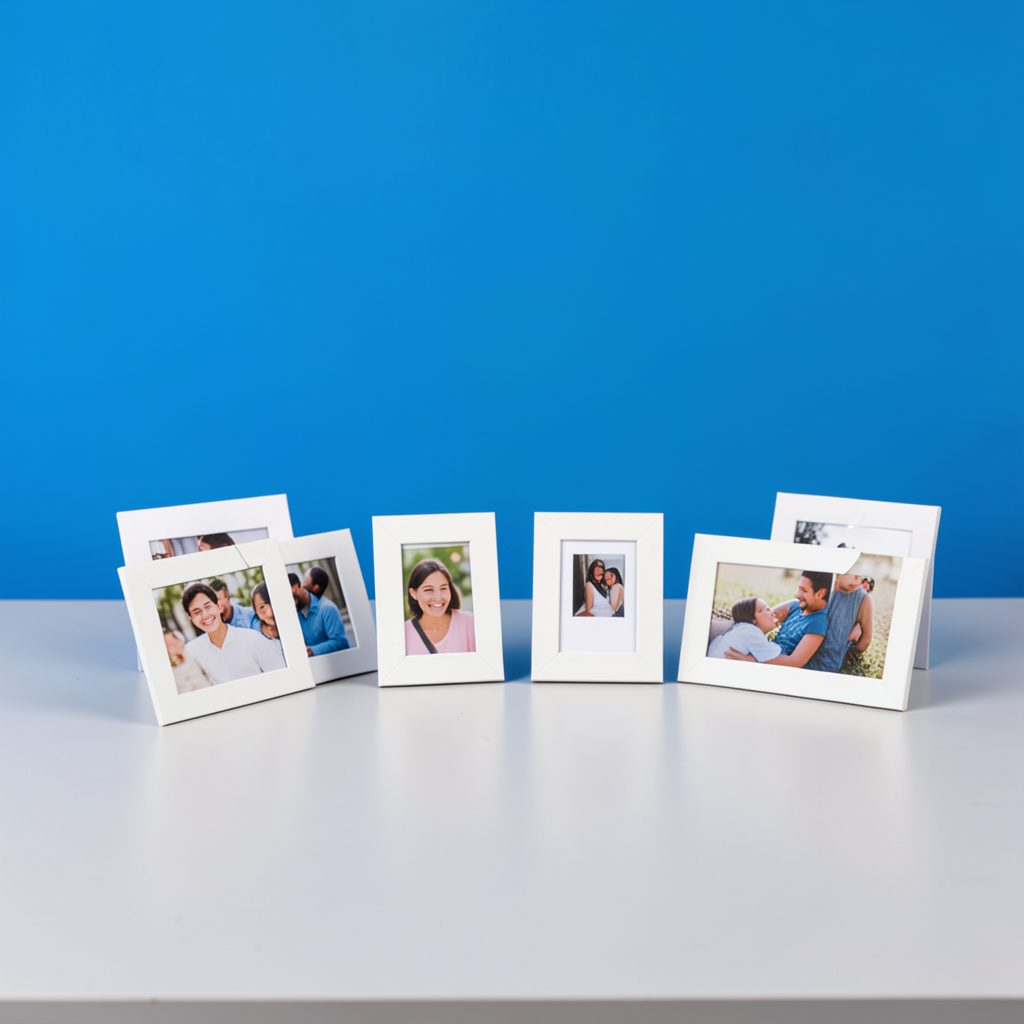
Good Morning Messages for a Child Away at Camp
A child away at camp may be busy with bush walks, canoeing, craft sessions and new friendships, yet a warm morning message can still make home feel close. A few cheerful words from Mum, Dad, grandparents or siblings can bring comfort before breakfast and remind them that someone is thinking of them.
The best camp messages are short, upbeat and easy to read on a phone. They can mention the sunrise, a favourite breakfast, a funny family moment or the small adventure waiting for the day. A personal detail often means more than a polished quote copied from somewhere else.
Australian families may be sending greetings across different time zones, from Perth to Sydney or Brisbane. Checking the camp’s phone rules and sending messages at a suitable hour helps children enjoy their independence without feeling interrupted. If the camp allows devices only at certain times, one thoughtful message can be saved for the right moment.
A morning greeting can also become a keepsake. Pair words with a simple flower image, a native landscape, a motivational quote or a playful animal picture, then choose a format that suits the child’s age. Younger campers may love bright colours and jokes, while teenagers often prefer something genuine, relaxed and free from babyish language.
Make The Message Feel Personal
A message feels special when it contains something only your family would say. Mention the dog waiting by the front door, the pancakes planned for their return or the family member who is wearing their favourite cap. These details show that the child is missed as a person, rather than receiving a generic “Have a nice day”.
Try to keep the tone positive without pretending that every moment at camp is easy. A child who feels homesick may appreciate: “Good morning, sweetheart. It is okay to miss home and still have a lovely day. Take it one activity at a time, and remember how proud we are of you.” This offers reassurance without making homesickness seem like a failure.
For a child in primary school, simple language works well: “Rise and shine, little adventurer. Your camp day is ready for you!” Older children may prefer: “Morning, mate. Hope today brings good mates, decent weather and one story worth telling when you get home.”
Choose Words That Build Confidence
Camp gives children chances to solve problems, try unfamiliar activities and manage small responsibilities. Morning messages can quietly reinforce those skills. Encourage effort, kindness and curiosity instead of focusing only on achievement or bravery.
Useful phrases include, “Have a go, listen to your leaders and be proud of every new thing you try,” or, “You do not have to be the loudest person in the group to belong.” These words can help a child who is nervous about sleeping away from home, joining a group or attempting an activity for the first time.
Avoid turning the greeting into a list of instructions. Children already hear reminders about sunscreen, water bottles, hats and tidy cabins from adults at camp. A gentle line such as “Look after yourself, drink plenty of water and enjoy the day” is enough. The emotional purpose of the message is connection, not supervision.
Add A Little Australian Warmth
Local details can make a greeting sound natural and familiar. A message might mention a crisp Melbourne morning, a bright Brisbane sunrise, a cool change near Adelaide or the golden light over a Perth campsite. These references help bridge the distance between home and camp without making the wording complicated.
Everyday family habits can provide a smile: “Good morning from home—Dad has burnt the toast again, and the dog is waiting for you to drop a crumb.” A reference to Vegemite toast, a weekend footy game or a backyard sausage sizzle may make a child feel involved in ordinary family life while they are away.
Nature-based wording suits many Australian camps. Try, “May your morning be as bright as a kookaburra’s laugh,” or, “Enjoy the gum trees, fresh air and wide-open sky today.” Avoid assuming the weather will be warm; Australian conditions can change quickly, especially in alpine areas, coastal camps and inland regions.
Use Images And Humour Carefully
A bright image can make a morning greeting more memorable, particularly when the child is checking messages during a short device window. Flowers, sunrise scenes, stars, native birds and colourful illustrations work across different ages. A simple photograph from home can be even more meaningful than a highly designed graphic.
Humour is useful when the child responds well to jokes. A silly line about needing three alarms for an early camp activity can lift the mood, and tired-animal humour may suit a teenager. For an amusing family share, browse these funny cat memes and choose one that feels playful rather than embarrassing.
Be mindful of the camp’s rules and the child’s dignity. Do not share a photo that shows other children, cabin details, name tags or identifying information unless the relevant adults and organisers have given permission. Australian families should also remember that privacy expectations apply online even when a post seems harmless or is shared within a private group.
Respect Devices, Privacy And Timing
Many camps limit phones to set periods, collect devices overnight or prohibit them during activities. A child may therefore receive a message hours after it was sent. This is normal and does not mean the greeting was unwanted. Scheduling a message for breakfast time can be useful, but it should still fit the camp’s communication policy.
When sharing images in a family chat or community group, check who can view them. The Privacy Act 1988 governs personal information handled by many Australian organisations, while camp providers may have their own consent and photography policies. Parents should follow the provider’s rules, avoid posting location details in real time and ask before including another child in a picture.
Commercial messages have different requirements under Australia’s Spam Act 2003, so a personal greeting to your own child is quite different from sending promotional material to a mailing list. For ordinary family communication, the sensible approach is simple: use a trusted channel, keep private details private and respect the camp’s instructions.
Match The Greeting To The Moment
The right wording depends on how the child is coping and what stage of the camp they have reached. The first morning may call for reassurance, the middle of the stay may benefit from humour, and the final morning can celebrate new confidence and friendships.
| Camp moment | Message style | Example |
|---|---|---|
| First morning | Reassuring and calm | “Good morning, brave one. You are safe, loved and ready to take today step by step.” |
| First activity day | Encouraging | “Have fun trying something new. Your best effort is something to be proud of.” |
| Homesick moment | Gentle and steady | “We miss you too. Breathe, speak to a kind adult and remember that feelings pass.” |
| Middle of camp | Light and humorous | “Morning, camper! Hope your shoes are dry and your cabin is slightly tidier than yesterday.” |
| Final morning | Proud and celebratory | “Look how far you have come. We cannot wait to hear every camp story.” |
Keep a collection of short greetings ready rather than sending the same sentence each day. One may focus on courage, another on friendship, and another on noticing something beautiful outdoors. Variety keeps the messages fresh while a familiar sign-off—“Love always, Mum”, “From your noisy family” or “Grandad”—maintains a comforting sense of home.
Create A Morning Ritual From Afar
A family ritual can make messages feel more connected. Perhaps everyone sends one good wish before leaving for school or work, or a sibling adds a drawing to the message. A grandparent in Newcastle, a parent in Canberra and a brother in Darwin can each contribute a line, provided the result stays easy for the child to read.
For a child who values faith, a short blessing or prayer may offer peace before a busy day. Keep it welcoming and personal, such as, “May you feel strong, protected and hopeful today.” A carefully chosen morning prayer for strength can provide further inspiration when a child or family finds comfort in spiritual words.
The most effective greeting does not need elaborate design, perfect rhymes or a long explanation. It needs warmth, recognition and a reminder that camp is one part of a bigger family story. A few sincere lines can help a child face the day with steadier confidence, knowing that home is cheering quietly from wherever it may be.
What a child should remember is simple: even while learning independence far from home, they are loved, trusted and thought of every morning.